


Is Cape Town Safe for Tourists? A Local's Guide for Visitors in 2026
By Michelle Legge | Cape Town local since 2015
After 15 years travelling the world, I settled in Cape Town in 2015. I've spent the years since getting to know the city's neighbourhoods, from its grand hotels and famous beaches to the little streets and restaurants that rarely make it into travel guides. One question I often hear from visitors is: Is Cape Town safe for tourists?
My answer is yes, but where you stay, how you get around and the precautions you take make a considerable difference.
For visitors planning a luxury holiday, particularly those interested in shopping for South African diamonds or tanzanite, here's what I'd recommend.
Cape Town central city
The first distinction worth making is between the V&A Waterfront, the CBD and the residential neighbourhoods surrounding the city centre.
V&A Waterfront
For first-time visitors, the V&A Waterfront is one of my top recommendations. It's a managed precinct with 24-hour security, secure parking, excellent hotels and restaurants, all within a relatively compact area.
Victoria Wharf is the main luxury shopping destination, while the Silo District is home to Zeitz MOCAA and The Silo Hotel. The Clock Tower precinct, near the Robben Island ferry departure point, houses the Shimansky Diamond Experience and Cape Town Diamond Museum.
The museum offers a fascinating introduction to South Africa's diamond history, followed by an opportunity to see diamonds being cut and polished and explore fine jewellery.
CBD, Gardens and the City Bowl
I particularly recommend Bree Street for restaurants, Kloof Street for cafés and evening dining, and the historic Bo-Kaap for a guided cultural tour. The Company's Garden and nearby museums make a worthwhile daytime outing.
For accommodation, Gardens, Oranjezicht and Tamboerskloof offer boutique hotels and guesthouses close to the city centre.
The CBD benefits from the Cape Town Central City Improvement District's dedicated security patrols and monitoring, although its operations cover a defined area rather than the entire City Bowl.
My advice is to enjoy the city centre during the day and arrange transport between destinations after dark. Some streets become deserted surprisingly quickly, even close to popular restaurants.
The Atlantic Seaboard
For many luxury travellers, this is Cape Town at its most appealing: oceanfront hotels, exceptional restaurants, dramatic mountain views and beaches.
Green Point and De Waterkant are convenient for the Waterfront, with restaurants and boutique accommodation. The Shimansky Rockwell Diamond Experience is also located here.
Sea Point is livelier, with its famous promenade, restaurants and cafés along Main Road. The promenade is wonderful during busy daylight hours, but I wouldn't recommend walking its quieter stretches after dark.
Fresnaye and Bantry Bay are predominantly residential, with luxury villas and boutique accommodation. Clifton's four beaches are among Cape Town's most beautiful, although access involves stairways and beachfront paths best used during the day.
Camps Bay is a favourite for beachfront dining and sunset cocktails. It's an excellent destination for an afternoon or evening, with prearranged transport back to your hotel.
Further along, Llandudno offers a spectacular beach with limited facilities, while Hout Bay is known for its harbour and access to Chapman's Peak. Both are better explored with your own transport.
The Southern Suburbs and Constantia
For travellers who prefer gardens, wine estates and a slower pace, I recommend Constantia.
This historic wine-growing valley is home to Groot Constantia, Buitenverwachting and Steenberg, along with several outstanding restaurants and luxury hotels.
Bishopscourt and Newlands are leafy residential neighbourhoods close to Kirstenbosch National Botanical Garden, one of Cape Town's finest attractions.
Claremont offers established shopping facilities, while Tokai provides access to the southern Constantia Valley and surrounding natural areas.
These neighbourhoods are spread out, so private transport is preferable to relying on walking between attractions.
The Cape Peninsula and Cape Point Route
I'd recommend setting aside a full day for the Cape Peninsula, ideally with a knowledgeable local guide.
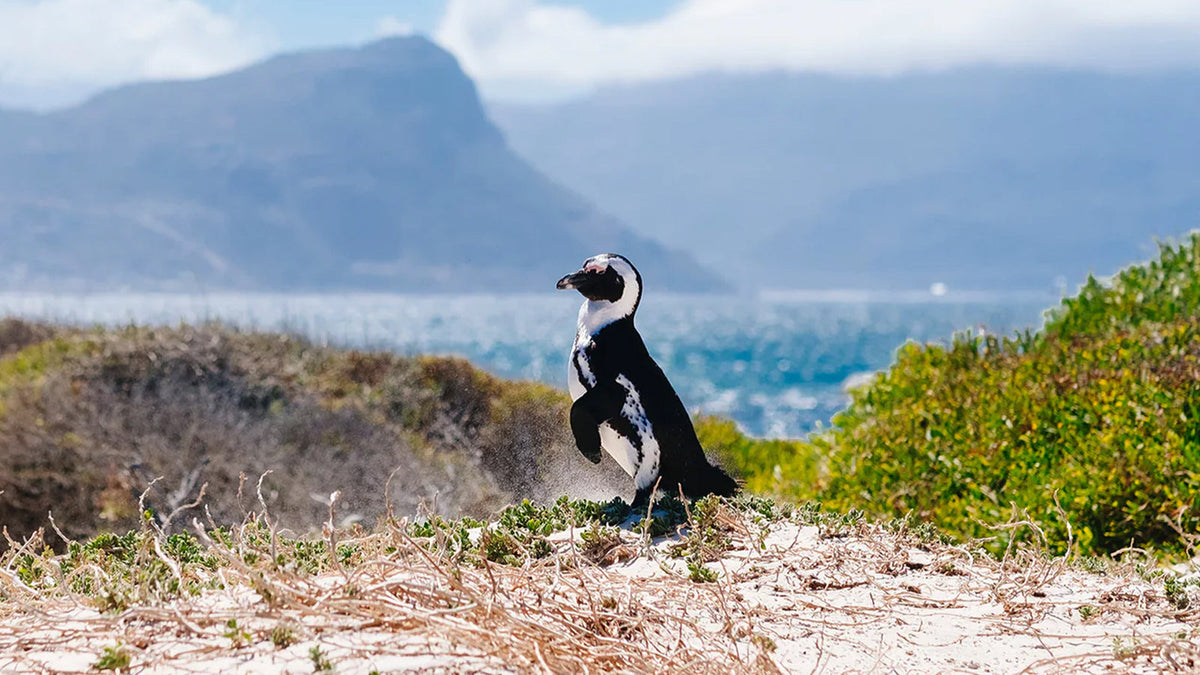
On the False Bay coastline, St James is famous for its tidal pool, Kalk Bay for its independent shops and harbour restaurants, and Simon's Town for its naval history and nearby penguin colony at Boulders Beach.
Further south, Cape Point and the Cape of Good Hope offer some of the country's most remarkable coastal scenery.
On the Atlantic side, Scarborough, Kommetjie and Noordhoek are worth visiting for their beaches and village atmosphere. Chapman's Peak Drive, connecting Noordhoek and Hout Bay, is a highlight of the journey.
These are generally best treated as daylight excursions. Some beaches, parking areas and mountain paths are remote, and visitors should avoid exploring isolated areas alone.
A serious note about safety in Cape Town
Cape Town is a city I love, and one I am proud to call home. But I would be doing visitors a disservice if I downplayed its crime problem.
Like in most cities, muggings, theft and tourist scams are real risks.
For visitors accustomed to travelling with expensive jewellery, watches, cameras or designer accessories, I would offer the following advice.
Leave conspicuous jewellery in your hotel safe. Avoid wearing valuable diamonds, gold jewellery and luxury watches while sightseeing. Keep expensive cameras discreet and don't walk around with your phone in your hand.
Avoid walking after sunset. Even in well-known neighbourhoods, don't assume that a short walk between a restaurant and hotel is advisable. Arrange a private transfer or use a reputable ride-hailing service, checking the driver and vehicle details before getting in. That being said, Cape Town offers a late sunset in our high summer, so it's lovely at bright well into the evening.
Watch out for tourist scams. Be suspicious of anyone claiming you need a special permit to walk in the city, offering unsolicited ATM assistance or directing you towards unofficial transport. Book attractions and transfers through recognised providers.
Be cautious on mountain trails and remote beaches. Muggings have occurred in Table Mountain National Park, including popular hiking areas. Travel in groups, use established routes and consider a professional guide.
Arrange airport transfers in advance. Use a trusted operator and stick to recommended main roads. Some routes around Cape Town International Airport have been associated with serious criminal incidents.
If confronted by a robber, do not resist. Valuables can be replaced.
For current guidance, I recommend the official resources provided by Cape Town Tourism, the City of Cape Town and SANParks.
South Africa's emergency number from a mobile phone is 112.
A little local knowledge, the right accommodation and reliable transport go a long way towards making Cape Town the extraordinary holiday destination it deserves to be.


